Problems With Yucca Plants: Complete Indoor & Outdoor Guide
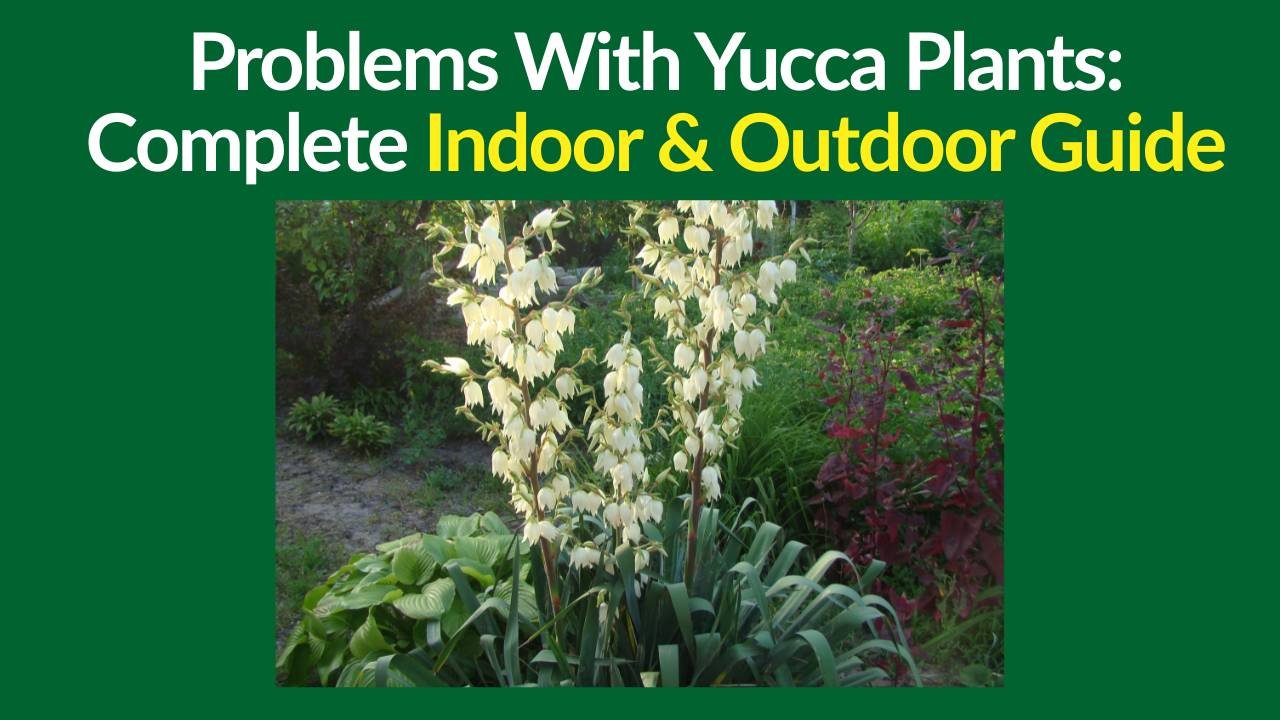
Yucca plants are widely used in Australian homes and gardens because they are drought-tolerant, architectural, and generally low maintenance.
However, when growing conditions are not suitable, yuccas can develop a range of problems including yellowing leaves, brown tips, white patches, pests, diseases, and even sudden plant death.
These issues occur both indoors and outdoors, but the causes and solutions can differ.
This article covers common problems with yucca plants, explains why they happen, how to identify them (even without pictures), and what you should do to fix them or decide when removal is the best option.
Outdoor Yucca Plant Problems
Outdoor yucca plants are most commonly affected by soil and drainage issues. While yuccas are drought-tolerant, they are not tolerant of wet feet.
In many parts of Australia, especially areas with clay soil, water can sit around the roots for long periods, particularly in winter.
Typical outdoor yucca plant problems include:
- Yellowing leaves starting from the bottom
- Drooping or collapsing leaves
- Slow or stopped growth
- Trunk softening at the base
These symptoms often develop gradually and then worsen quickly. Many people assume the plant needs more water, but this usually makes the problem worse.
Why Is My Outdoor Yucca Plant Turning Yellow?
This is one of the most common questions asked by yucca owners. In outdoor yuccas, yellow leaves are most often caused by excess moisture around the roots.
Key reasons include:
- Poor drainage
- Heavy clay soil
- Frequent watering
- Extended winter rainfall
Yellowing usually starts with older leaves at the base and moves upward. If new leaves also turn yellow, it strongly suggests root stress or early root rot.
A detailed explanation of this issue and when it becomes serious is covered in this guide on yucca leaves turning yellow.
Why Is My Outdoor Yucca Plant Dying?
If your outdoor yucca is declining rapidly, the most likely cause is root or trunk rot. This is often the result of long-term overwatering or poor drainage rather than a sudden problem.
Warning signs that a yucca is dying include:
- Multiple leaves yellowing at the same time
- Leaves collapsing rather than drying out
- A soft or spongy trunk
- A foul smell coming from the soil
Once the trunk becomes soft, recovery is unlikely. At this stage, treatment attempts often fail, and removal becomes the safest option to prevent hazards or damage to surrounding areas.
Indoor Yucca Plant Problems
Indoor yuccas experience a different set of challenges compared to outdoor plants. Most indoor yucca problems are caused by too much water combined with low light.
Common indoor yucca plant problems include:
- Yellowing leaves
- Drooping or limp foliage
- Brown tips
- Slow growth
Many indoor yuccas are placed in decorative pots without drainage holes, which traps water at the roots. Indoor yuccas also receive far less light than they would outdoors, slowing evaporation and increasing the risk of root rot.
Indoor Yucca Plant Problems Explained (Without Pictures)
Even without pictures, indoor yucca problems can be identified by patterns:
- Yellow leaves with soft texture usually indicate overwatering
- Brown tips often point to dry air or heater exposure
- Pale leaves suggest low light
- Sticky residue may indicate pests
Indoor yuccas perform best in bright, indirect light and require watering only when the soil has dried significantly.
Should I Remove Yellow Yucca Leaves?
Yes, but only under specific conditions.
You should remove yucca leaves if:
- They are fully yellow or brown
- They detach easily from the trunk
You should not remove:
- Green leaves
- Partially yellow leaves that are still firm
Removing old leaves improves airflow, reduces pest hiding places, and improves appearance. Always use clean tools and wear gloves, as yucca leaves can be sharp.
Yucca Leaves Turning Brown or Drying Out
Brown leaf tips or edges are usually caused by environmental stress rather than disease.
Common causes include:
- Dry indoor air from heaters
- Inconsistent watering
- Salt buildup from fertiliser
- Sudden sun exposure
This issue is often cosmetic but indicates that conditions should be adjusted to prevent further stress.
Yucca Leaves Turning White
White patches or pale discolouration on yucca leaves can be caused by several factors:
- Sun bleaching after sudden exposure
- Powdery mildew (appears as a dusty white coating)
- Mealybugs (cotton-like clusters)
- Mineral residue from hard water
Identifying whether the white substance wipes off easily or appears embedded in the leaf helps determine the cause.
Yucca Plant Bugs and How to Get Rid of Them Naturally
Yucca plants are relatively pest-resistant, but stressed plants are more vulnerable. Common yucca plant bugs include:
- Mealybugs
- Spider mites
- Scale insects
Natural pest control methods include:
- Wiping affected areas with a damp cloth
- Using diluted alcohol on cotton buds for mealybugs
- Applying neem oil or insecticidal soap
- Improving airflow and light
Avoid harsh chemicals unless infestations are severe.
Yucca Plant Diseases (Explained Without Pictures)
Yucca plant diseases are uncommon but can occur under poor conditions. The most common diseases include:
- Leaf spot, which appears as dark patches with yellow edges
- Powdery mildew, which forms a white dusty layer
- Bacterial rot, which causes soft tissue and foul odours
Diseases usually develop due to wet leaves, poor airflow, overcrowding, or excessive watering. Prevention is more effective than treatment.
Common Problems With Yucca Plants Summary
Most yucca problems fall into a few main categories:
- Excess water
- Poor drainage
- Low light indoors
- Environmental stress
- Pest infestation
- Root or trunk rot
Correcting watering habits and improving drainage early can prevent most serious issues.
When Yucca Removal Is the Best Solution
In some situations, removal is more practical than treatment. This includes cases where:
- The trunk is rotting or unstable
- The plant poses a safety risk due to sharp leaves
- Roots are damaging paving or structures
- The yucca repeatedly declines despite correct care
In these cases, professional Yucca removal Melbourne services can safely remove the plant and its root system.
Final Advice From a Melbourne Plant Expert
Yucca plants thrive when left mostly alone in the right conditions. They prefer dry roots, free-draining soil, bright light, and minimal watering. Most problems arise from well-intentioned overcare.
If a yucca is already showing signs of rot or structural failure, early removal is often safer and more cost-effective than ongoing treatment.